
 Spreads · Layered
Ticket Stub Layer Cake
Eleven ticket stubs from one summer stacked in a single column, each one 4 mm shorter than the one beneath it so the whole pile still closes flat in a 200 gsm notebook.
Family
A finished page, taken apart layer by layer — what went down first, what sits on top, and why the pile still lies flat.
8 published, newest first.
Spreads · Layered
Eleven ticket stubs from one summer stacked in a single column, each one 4 mm shorter than the one beneath it so the whole pile still closes flat in a 200 gsm notebook.
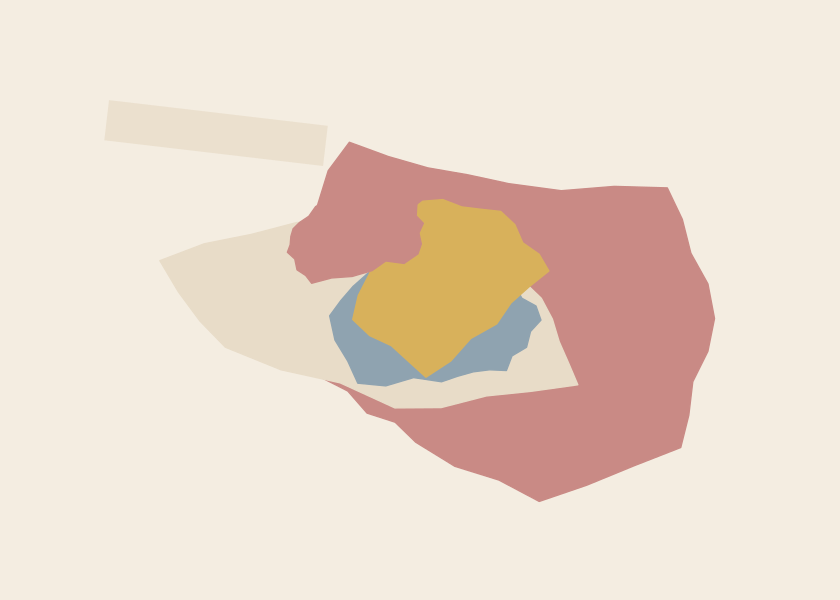 Spreads · Ephemera-led
Six ticket stubs and one folded gallery map, unified with a dilute acrylic wash that pulls seven different paper tones into one family without hiding a single printed word.
 Spreads · Minimal
One spread, two colours, five elements. The discipline is not in removing things but in refusing to add a third tone when the page feels empty.
 Spreads · Layered
A hand-laid grid of masking tape divides the page into nine unequal cells, each holding one scrap — and the tape stays visible as the structure instead of being hidden under the paper.
 Spreads · Ephemera-led
Eight empty seed packets arranged by sowing month rather than by colour — the page becomes a planting calendar you can read at a glance without a single word of annotation.
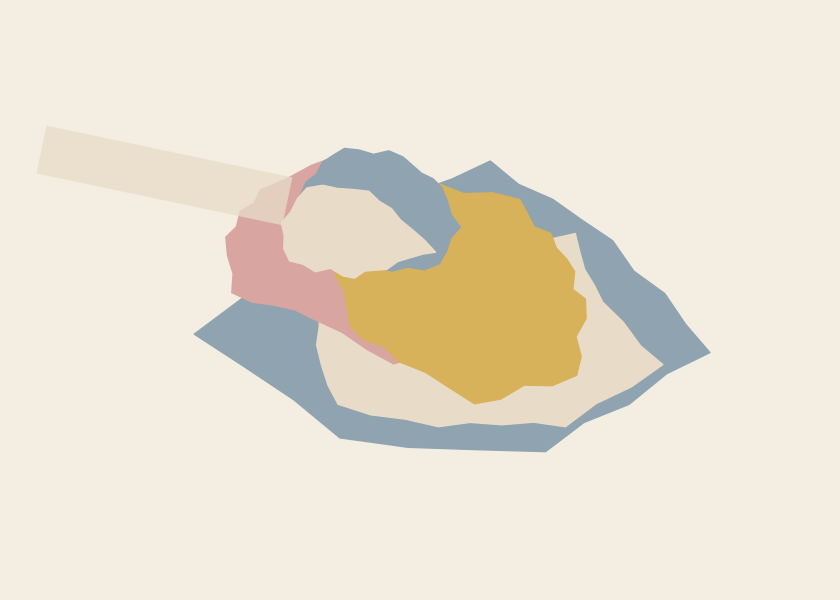 Spreads · Layered
A sheet of 112 gsm vellum laid over a dense collage hides about 60% of it and reveals the rest as a soft shape — the cheapest way to make a busy page look considered.
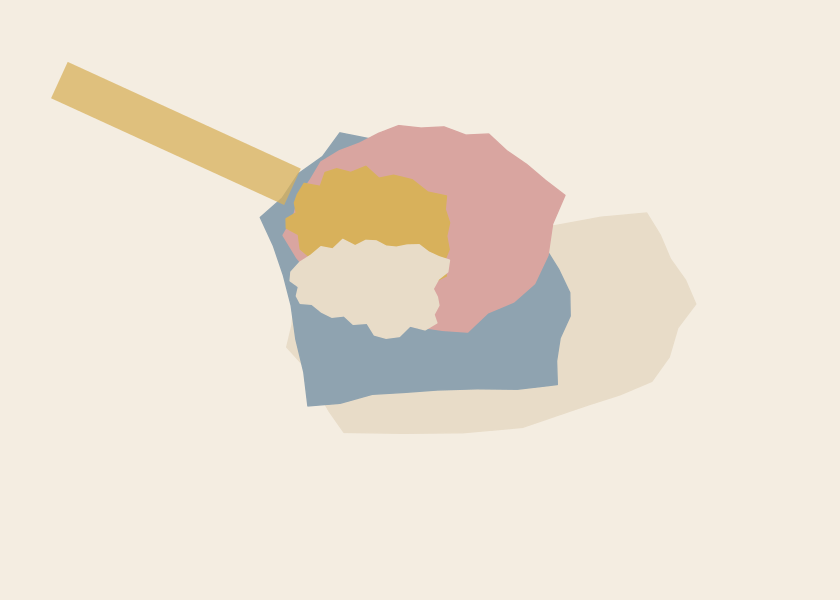 Spreads · Minimal
One magazine clipping at 38 mm, one cut-out word at 11 mm, and 89% of the page left empty. A five-minute spread that is far harder than it sounds.
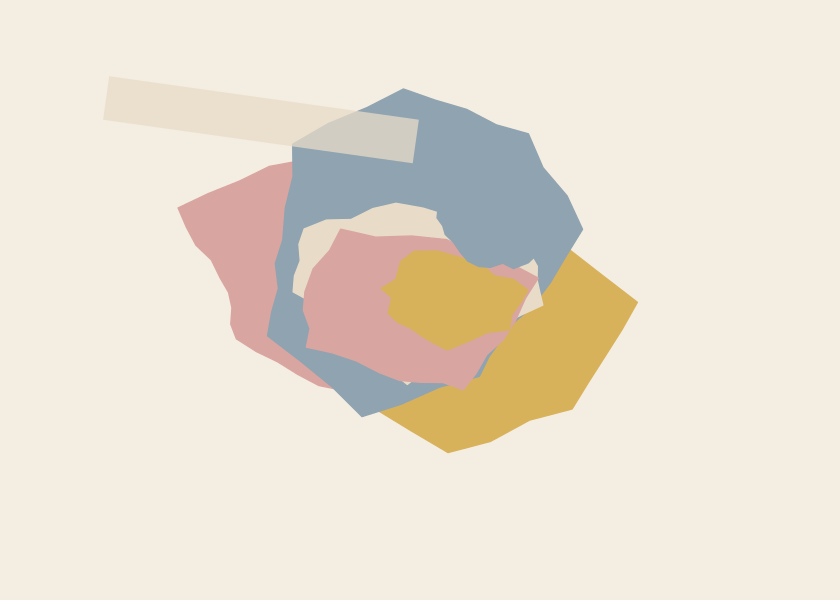 Spreads · Ephemera-led
Forty small receipts cut into confetti-sized pieces and scattered, then selectively glued — 14 fixed, 26 left loose under a stitched acetate window.
The other families: Supply notesPrompts